The Yin Yoga Practice and Space Within The Stillness
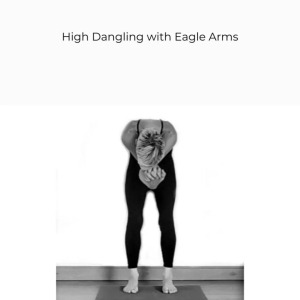
A serene image of a person practicing a deep stretch in a Yin Yoga pose, highlighting the meditative and restorative aspects of the practice.

At the heart of Yin Yoga is the practice of holding postures for extended periods of time. This approach places gentle, sustained stress on the connective tissues, particularly fascia, while inviting a quieter and more receptive relationship with the body. Rather than focusing on muscular effort, Yin Yoga emphasises stillness, time, and sensitivity to internal experience.

When movement slows and external stimulation is reduced, mental activity often becomes more noticeable. Thoughts, memories, and unresolved impressions may surface, alongside a familiar sense of restlessness or the impulse to “do” rather than simply be. This is not a distraction from the practice, but an integral part of it.

With patience, attention can return to the breath or to bodily sensation, providing an anchor for awareness. From this place, observation becomes possible without the need to react or engage. The practice shifts from managing experience to witnessing it.

Through sustained stillness, Yin Yoga offers space for reflection and receptivity. As awareness settles, practitioners may begin to notice patterns of response — both internally and in relation to the world around them. In this way, the practice extends beyond the mat, supporting a more attentive and responsive way of meeting experience.
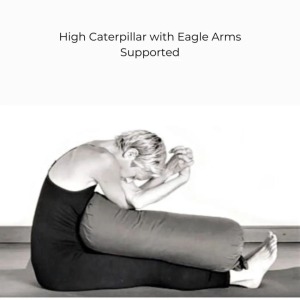
Within this quiet stillness, the body becomes a primary source of feedback. Sensation offers information about alignment, effort, and the relationship between yielding and support. Subtle shifts in weight, temperature, and texture begin to register, inviting a more nuanced and responsive approach to each posture.

As attention settles, awareness may extend to the rhythm of the breath, the spaces between inhalation and exhalation, and the gentle movements of the body as it responds to time and gravity. Sensation is observed as it changes — intensifying, softening, or dissolving — without the need to intervene or adjust.

In this way, Yin Yoga becomes a practice of presence rather than performance. Stillness creates conditions for perception to deepen, allowing awareness to move beyond effort and into listening. The body is not directed or corrected, but met as it is, moment by moment.

As we relax, how we define ‘our edge’ becomes fluid, this may mean dropping a little deeper, or we may need to pull back a little. It all depends on the messages of the body.

A tranquil scene of a Yin Yoga class with participants in a calm, relaxed state, emphasizing the emotional and mental well-being benefits of Yin Yoga.

Within the quiet space of Yin Yoga, self-exploration naturally extends beyond physical sensation into patterns of thought, emotional response, and habitual reaction. As stillness is sustained, practitioners may begin to notice how they relate to each posture, how they respond to discomfort or ease, and how attention moves when there is little external distraction.

As the body gradually settles, awareness can become more attuned to subtle shifts in sensation and internal energy. Experience unfolds along a spectrum — from familiar and comfortable to unfamiliar or challenging — each offering information without requiring immediate interpretation or action.

This process of observation invites a more receptive mode of engagement. By easing the impulse to do, analyse, or resolve, space is created for listening and discernment. Over time, this quiet attention can support a sense of internal trust, strengthening the relationship between body, mind, and awareness.

Yin Yoga is not an absence of activity, but a deliberate engagement with experience as it unfolds. Through stillness and time, the practice offers space to sense, feel, and remain present with changing layers of sensation, response, and awareness. Rather than seeking to achieve or resolve, Yin Yoga invites a softening of effort and a willingness to meet experience as it is.

If this exploration of Yin Yoga resonates, further study can offer a more structured and embodied understanding of the practice. Our 100-hour and 50-hour Yin Yoga Teacher Trainings on Nusa Lembongan, Bali provide an opportunity to explore Yin Yoga through its physical, energetic, mental, emotional, and subtle dimensions, alongside foundational Chinese Medicine theory.

The training includes daily archetype-based asana labs, guided teaching workshops, and hands-on practices such as myofascial massage, Myoyin, and Acuyin. Attention is also given to the art of teaching Yin Yoga with care and clarity, including ethics, boundaries, limitations, intelligent sequencing, and supportive teaching frameworks. These trainings are suitable for teachers and dedicated practitioners seeking to deepen their relationship with Yin Yoga in a thoughtful and grounded way.

FURTHER READING

The 5 Dimensions of Yin Yoga – An article that discusses all dimensions of an immersive Yin Yoga Practice.

Yin Yoga Meridians – In this blog post, we delve into the fascinating intersection of Yin Yoga and Traditional Chinese Medicine (TCM), integral to the Yin Yoga Practice.

Contact Akirayoga with any Questions:

    YIN YOGA PRACTICE PRINCIPLES

    Copyright © Akira Yoga 2019. All Rights Reserved. [nolink]