Ten years ago, I embarked on a transformative journey by initiating my Yin Yoga & Chinese Medicine teacher training. This path was fueled by my deep fascination with the principles of Chinese Medicine & their potential integration into physical practice. One of my primary goals was to uncover the practical applications of TCM within the context of Yin Yoga. I aimed to bridge the gap between theory & practice, bringing the rich heritage of Chinese Medicine to life within the contemplative realm of Yin Yoga.
In this blog post, we’ll delve into how the principles of Yin Yoga align closely with Traditional Chinese Medicine, culminating in a unique & enriching mind-body practice.
Yin Yoga & TCM: Yin & Yang
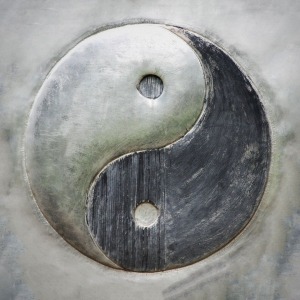
Yin & Yang are opposite yet interconnected energies that together create energetic balance in the universe. Yin embodies qualities such as passivity, receptivity, darkness, coolness, & stillness, often associated with the moon & the feminine. In contrast, Yang represents heat, brightness, movement, & assertiveness, linked to the sun & the masculine.
In our yoga practice, understanding the application of both Yin & Yang can enhance our experience. Yin Yoga focuses on long-held, passive poses that primarily target the body’s yin aspects—connective tissues, joints, & tendons & ligaments. This practice emphasizes stillness & receptivity, allowing us to cultivate patience & introspection. It serves as a reminder to slow down, listen to our bodies, & embrace the qualities of rest & restoration.
On the other hand, more dynamic styles of yoga, such as Vinyasa or Ashtanga, embody Yang qualities through their active & vigorous sequences. These practices encourage movement, strength, & energy, stimulating the body & mind.
By recognizing when to apply Yin or Yang in our practice, we equip ourselves with valuable tools for our physical & emotional well-being. For instance, on days when we feel drained or overwhelmed, leaning into the Yin qualities of stillness & surrender can provide the restorative balance we need. Conversely, when we feel stagnant or low in energy, incorporating Yang practices can invigorate & uplift us.
In essence, both Yin and Yang are essential components of a holistic yoga practice. By embracing their interplay, we can navigate our physical & emotional landscapes more effectively, finding harmony & balance within ourselves.
Yin Yoga & TCM: The Practice
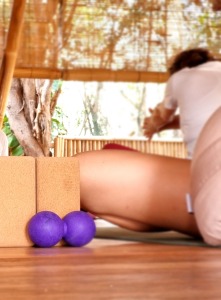
The stillness inherent in Yin Yoga creates a unique space for introspection. In our fast-paced, busy lives, we often become accustomed to avoiding deeper emotional needs by keeping ourselves constantly occupied. The prolonged hold of each pose encourages us to confront what arises in the silence—thoughts, feelings, & sensations that may have been buried or ignored.
As we settle into stillness, we might notice a range of emotions surfacing—perhaps tension, anxiety, or even unexpected joy. This process of observation without judgment allows us to become more aware of our inner landscape. In this safe environment, we can explore these emotions, allowing them to come & go without the need to react or escape.
Yin Yoga invites us to practice acceptance & presence. As we engage with our breath & the sensations in our body, we cultivate a deeper connection to ourselves. This can be particularly healing, as it helps us acknowledge & process feelings we may typically avoid, creating space for greater emotional clarity & resilience.
Furthermore, this practice can enhance our capacity for self-compassion. By learning to be present with whatever arises—be it discomfort, restlessness, or peace—we develop a gentler relationship with ourselves. This skill can extend beyond the mat, encouraging us to approach life’s challenges with more mindfulness & ease.
In contrast to the dynamic, strengthening nature of Yang-style yoga, which emphasizes engagement & movement, Yin Yoga’s focus on stillness invites us to let go & surrender. It provides an opportunity to listen to our bodies & minds deeply, fostering a profound sense of awareness & connection that can lead to transformative emotional & mental healing.
Ultimately, Yin Yoga offers us a powerful tool to navigate our internal experiences, fostering a holistic sense of well-being that transcends the physical practice & enriches our everyday lives.
Yin Yoga & TCM: Meridian Theory
While Yin Yoga incorporates the principles of meridian theory into its practice, it’s crucial to recognize that it is not the only physical practice that stimulates these pathways. Other styles of yoga, martial arts, & various movement therapies can also engage the meridians.
What sets Yin Yoga apart is its unique physiological approach that specifically highlights the relationship between fibroblasts in the fascia & the meridian system.
When we hold these poses, we stimulate fibroblasts—cells responsible for synthesizing collagen & maintaining connective tissues. Fibroblasts are also associated with the movement of Qi through the meridians. By applying gentle stress to the fascia, Yin Yoga encourages the release of tension & blockages, facilitating a smoother flow of energy along these pathways.
This direct relationship between Yin Yoga, fibroblasts, & the meridian system illustrates how our physical practice can influence our energetic health. The poses are intentionally designed to target specific meridians, acting as an “energy highway” that promotes the unimpeded movement of Qi. The extended duration of each pose allows practitioners to cultivate a heightened awareness of their physical sensations & how these relate to their emotional & mental states.
Engaging with the principles of Yin Yoga helps us recognize patterns in our lives that contribute to imbalances. For example, prolonged stress may manifest as tightness in certain areas, signaling the need for gentle release through specific Yin poses that target affected meridians.
Yin Yoga fosters compassionate self-inquiry. By recognizing the interplay between our physical, mental, & emotional states, we develop a more integrated sense of self. This practice not only deepens our connection to our bodies but also broadens our understanding of how energy & emotions interact.
Yin Yoga & TCM: Fascia & Connective Tissues
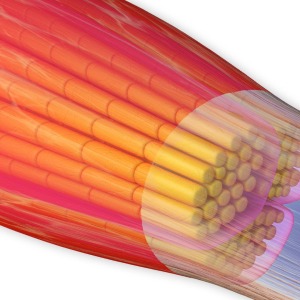
The extended holds & gentle stress placed on the connective tissues during Yin Yoga serve a dual purpose. First, they encourage the release of blockages & tension held within these tissues, which is pivotal for improving the flow of Qi and enhancing the body’s energy pathways. As blockages dissipate, practitioners often experience a sense of ease, both physically & mentally. The opening of these energy channels leads to a heightened state of well-being & vitality.
One of the unique aspects of Yin Yoga is its ability to target different layers of connective tissue as we hold poses. The body contains various types of connective tissues, including superficial fascia, deep fascia, ligaments, tendons, & even the periosteum, which covers bones. Each layer has distinct characteristics & plays a crucial role in the body’s structural integrity.
In Yin Yoga, the long-held poses specifically engage the deeper layers of connective tissue, such as the deep fascia & ligaments, which are often less activated in more dynamic practices. As we settle into these poses, we apply gentle stress that stimulates fibroblasts—cells responsible for synthesizing collagen & maintaining the integrity of these connective tissues. This targeted approach enhances the resilience & flexibility of the fascia, promoting better alignment & reducing the risk of injury.
By working through these various layers, Yin Yoga not only helps release physical tension but also addresses underlying emotional blockages that may be stored within the connective tissues. For example, the hips may hold emotional stress, while the spine can be a repository for feelings of insecurity. As we hold poses that target these areas, we create space for both physical & emotional release.
Practitioners may find that as they improve the condition of their fascia through these poses, they also unlock deeper emotional layers, leading to a profound sense of balance & vitality. The practice becomes a journey of self-discovery, revealing the intricate connection between the physical body, emotional landscape, & the flow of Qi.
Yin Yoga & TCM: Balancing the Body & Mind
As teachers, we can guide students to observe their responses during long-held poses. Some may feel discomfort, while others experience profound release. This variability is not just a physical reaction; it often reflects deeper emotional or energetic patterns that are at play. By fostering an environment of compassion & curiosity, we help students navigate these experiences, encouraging them to ask questions about what arises within them.
Additionally, understanding the interplay between Yin Yoga & TCM allows us to tailor our classes to meet the needs of our students. For instance, if we recognize that a particular meridian is often targeted during a session—such as the liver meridian, which relates to emotions like anger & frustration—we can offer insights that resonate with students’ experiences. This connection helps them feel seen & understood, deepening their engagement with the practice.
Ultimately, this knowledge transforms the practice into a holistic experience. It allows us to create a safe space where students can explore not just their physical limits but also their emotional landscapes. By cultivating a sense of peace & vitality through this journey, we help them realize that their experiences are valid & essential to their growth.