The Synergy of Yin Yoga and Chinese Medicine for Holistic Well-being
Both Yin Yoga and Chinese Medicine are ancient practices that, despite their distinct origins, share a remarkable synergy. Rooted in Taoist traditions, Yin Yoga complements the principles of Chinese Medicine by emphasizing the flow of energy through meridians and balancing the five elements. This powerful combination not only supports physical health but also nurtures emotional, mental and energetic well-being, offering a comprehensive approach to holistic health.
Exploring the Integration of Yin Yoga and Chinese Medicine
This article explores how Yin Yoga postures can potentially stimulate specific meridians to enhance the flow of Qi and balance the body’s energy systems, which also indirectly impacts emotional well-being. It is essential for practitioners to root their practice within Yin Yoga’s foundational practice principles to harness these benefits effectively.
Discover how aligning Yin Yoga practices with the five elements can promote overall health and inner harmony. Additionally, understanding the Chinese Medicine 5 Spirits system can bring clarity to our mental well-being, offering deeper insights into the mind-body connection.
Our 50-hour and 100-hour Yin Yoga training programs provide an in-depth understanding of these key concepts, delving into Yin Yoga practice principles and offering practical guidance on integrating Chinese Medicine philosophy and Meridian theory into your practice. Enhance your balance and well-being by signing up today. Start your journey towards holistic health and inner peace.
The Comprehensive Benefits of Yin Yoga: Physical and Emotional Well-being
Yin Yoga is a unique style of yoga that emphasizes slow-paced movements and poses, known as asanas, which are typically held for three to eight minutes. This practice specifically targets the body’s connective tissues, including fascia, ligaments, bones, and joints, unlike more dynamic yoga styles that primarily work on muscles by generating heat.
Origins and Evolution
Originating from Taoist traditions, Yin Yoga aims to enhance fluid movement in the joints, improve joint mobility, and positively affect the fascia matrix structure that runs throughout the whole body, thereby enhancing overall flexibility. Additionally, it serves as a meditative practice, where holding postures can foster inner stillness and mental clarity.
Deep Connective Tissue Access
By holding poses longer, Yin Yoga allows for deeper access to the body’s connective tissue layers. This practice helps maintain or improve flexibility and joint health. Yin Yoga also has a unique relationship with the meridian system in Traditional Chinese Medicine (TCM), helping to stimulate energy flow (Qi) through these pathways. This can promote emotional and energetic balance. Practitioners can also influence the 5 Spirits of TCM, which are linked to mental well-being and clarity .
Holistic Well-being
The blend of physical and mental benefits makes Yin Yoga a comprehensive approach to well-being. It enhances joint health, flexibility, and the fluidity of the fascia structure while fostering emotional stability and inner mental peace .

For Yin Yoga teachers, a comprehensive understanding of these principles is crucial for several reasons:
- Holistic Approach: Combining knowledge of the fascia system with TCM principles allows for a more holistic approach to teaching, addressing both physical and energetic needs.
- Tailored Instruction: Understanding how different poses affect specific meridians and organs enables teachers to tailor their classes to meet the diverse needs of their students.
- Enhanced Healing: Knowledge of the five spirits and their connection to the meridian system allows teachers to support students’ emotional and mental well-being more effectively.
- Safety and Effectiveness: A thorough understanding ensures that teachers can guide students safely, making necessary adjustments to poses to accommodate individual health conditions and limitations.
- Deeper Insight: This knowledge provides teachers with a deeper insight into the interconnectedness of the body, mind, and spirit, enriching their teaching practice and enhancing the student experience.
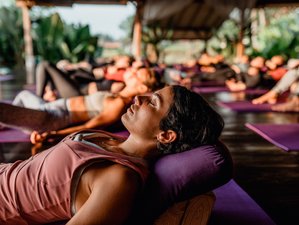
The synergy between Yin Yoga and Traditional Chinese Medicine offers a profound pathway to holistic health. By understanding the interplay between the fascia system, visceral organs, meridians, five elements, and five spirits, practitioners and teachers can cultivate a practice that supports comprehensive well-being. Whether you are new to Yin Yoga or a seasoned practitioner, integrating these principles into your practice can lead to transformative physical, emotional, and spiritual benefits.
In our training programs, we delve into extensive detail on all these aspects: the fascia system, the visceral organ connections, the meridian system and its influence on emotions, and the five spirits and mental clarity. We also cover essential concepts of TCM such as the four vital substances (Qi, Blood, Body Fluids, and Essence) and the three treasures (Jing, Qi, and Shen). Furthermore, we explore the philosophy of TCM, including the concept of Qi and the five elements (Wood, Fire, Earth, Metal, Water).
Most importantly, we emphasize the interrelationship of all these systems so that practitioners and teachers gain a comprehensive understanding of how Yin Yoga and TCM interconnect. By integrating these principles, participants will walk away with a profound knowledge of the relationship between Yin Yoga and Chinese Medicine, enhancing their practice and teaching capabilities.
.
Practical Application in Training
- Our training programs offer hands-on experience, teaching you to:
- Integrate TCM Principles: Learn to incorporate the principles of TCM into your Yin Yoga practice, enhancing its effectiveness.
- Tailor Sequences: Design and practice Yin Yoga sequences that address specific elements and meridians, ensuring a balanced approach to health.
- Holistic Practice: Develop a comprehensive understanding of the mind-body-soul connection, integrating physical postures with energetic and emotional healing.
Start Your Transformative Journey
- Join our Yin Yoga training programs to gain in-depth knowledge and practical skills. Understand how Yin Yoga and TCM interact to promote balance and harmony. Contact us today to learn more and begin your journey toward holistic well-being.
Considering Yin Yoga Teacher Training?
Feel free to contact us with any questions. We will be glad to assist you. [email protected]