Functional Yoga and Yin Yoga: Anatomy, Fascia and Individual Practice

Functional Yoga and Yin Yoga share many of the same underlying principles, particularly in their approach to anatomy, fascia, movement variability, and individual structure. Rather than forcing the body into idealised yoga shapes, both approaches recognise that every person experiences movement differently due to skeletal variation, connective tissue, posture, mobility, and nervous system patterns.

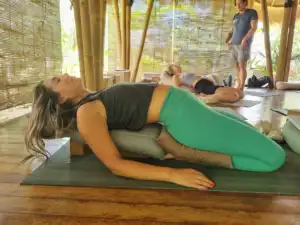
In Yin Yoga, postures are often held for longer periods with reduced muscular effort, creating sustained stress within fascia and connective tissue. Functional Yoga complements this approach by helping practitioners understand how anatomy, compression, tension, and structural differences influence the way each posture feels within the body.

Together, Functional Yoga and Yin Yoga encourage a more adaptable, anatomy-informed, and sustainable relationship with movement, mobility, body awareness, and overall wellbeing.


What Is Functional Yoga in Yin Yoga Practice?

Functional Yoga within Yin Yoga focuses on the function of a posture rather than its external appearance.

Rather than trying to achieve identical alignment shapes, the emphasis is placed on how a posture affects fascia, connective tissue, joints, movement patterns, and internal sensation within each individual body.

This perspective recognises that:

  • every body is structurally different
  • skeletal variation affects movement range
  • fascia and connective tissue respond gradually to stress
  • compression and tension influence mobility differently
  • posture and movement history affect yoga practice

As a result, Yin Yoga becomes less about aesthetic shapes and more about awareness, adaptability, and functional movement.

Functional Yoga, Fascia and Connective Tissue

Fascia and connective tissue play a central role in both Functional Yoga and Yin Yoga.

Fascia forms a continuous interconnected network throughout the body, surrounding muscles, joints, ligaments, and organs while helping distribute tension and movement across different areas of the body.

In Yin Yoga, sustained postures and slower movement create gentle stress within connective tissue over time. Functional Yoga helps explain why these experiences vary between individuals due to anatomy, movement patterns, posture, hydration, stress, and connective tissue variability.

Together, these perspectives support a more integrated understanding of mobility, flexibility, movement quality, and body awareness.

Skeletal Variation and Yin Yoga Practice

One of the most important principles within Functional Yoga is understanding skeletal variation.

Bone shape, joint depth, pelvic structure, spinal curves, and connective tissue density differ significantly between individuals. As a result, two people may experience the same Yin Yoga posture very differently even when following identical instructions.

For some practitioners, a posture may create muscular tension and fascial loading, while for others the same shape may create earlier joint compression.

Functional Yoga encourages practitioners to work with their own anatomy rather than forcing the body toward idealised yoga positions

Compression vs Tension in Yin Yoga

Functional Yoga also helps explain the difference between tension and compression within Yin Yoga practice.

  • Tension relates more closely to muscles, fascia, and connective tissue adapting to sustained stress
  • Compression occurs when bones or joints physically limit movement range

Understanding this distinction is important because limitation within a posture is not always caused by “tightness.” In many cases, joint structure itself determines available movement range.

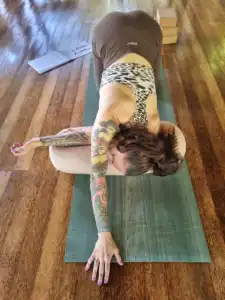
Functional Yoga for the Spine: Mobility, Fascia and Spinal Health

As a result, Functional Yoga encourages a more intelligent and individualised approach to Yin Yoga practice.

Functional Yoga and Nervous System Regulation

Functional Yoga for Healthy Hip Movement and Connective Tissue

Functional Yoga and Yin Yoga both recognise the influence of the nervous system on movement, tension, flexibility, and body awareness.

Stress, fatigue, posture, emotional tension, and nervous system activation may all influence how the body responds within yoga practice. In modern life, constant stimulation and prolonged sitting often contribute to patterns of muscular guarding and restricted movement.

Through slower movement, sustained postures, breath awareness, and reduced muscular effort, Yin Yoga may help support nervous system regulation and relaxation. Functional Yoga complements this understanding by encouraging practitioners to observe how movement quality changes according to stress, recovery, and internal awareness.

Functional Yoga Encourages Adaptation Rather Than Perfection

One of the central principles shared by Functional Yoga and Yin Yoga is adaptability.

Rather than trying to achieve “perfect” alignment, both approaches encourage practitioners to:

  • adjust postures according to anatomy
  • respond to sensation rather than appearance
  • use props and modifications when needed
  • work gradually with connective tissue
  • develop awareness rather than force flexibility

This creates a more accessible and sustainable approach to yoga practice over time.

Why Functional Yoga and Yin Yoga Work Together

Functional Yoga for Healthy Shoulder Movement and Connective Tissue

Functional Yoga and Yin Yoga naturally complement one another because both approaches prioritise:

  • individual anatomy
  • movement variability
  • fascia and connective tissue
  • body awareness
  • sustainable mobility
  • nervous system regulation
  • adaptability rather than rigid alignment

Together, these approaches encourage practitioners to develop a more informed understanding of movement, flexibility, anatomy, and long-term wellbeing.

Explore Yin Yoga Philosophy More Deeply

If you want to explore Functional Yoga, fascia, Yin Yoga, anatomy, and movement principles more deeply, our 200 Hour Yoga Teacher Training and 100/50 Hour Yin Yoga and Chinese Medicine teacher trainings in Bali explore these principles in depth.

These teachings help students develop a more adaptable and anatomy-informed understanding of yoga beyond external shapes alone.

Frequently Asked Questions

How are Functional Yoga and Yin Yoga connected?

Both approaches emphasise anatomy, fascia, individual structure, movement variability, and adapting postures according to the needs of the body.

Why do Yin Yoga postures feel different for everyone?

Skeletal variation, connective tissue, posture, mobility, and nervous system patterns all influence how individuals experience movement.

What is compression in Yin Yoga?

Compression occurs when bones or joints physically limit movement range rather than muscular tension alone.

Does Functional Yoga change how Yin Yoga is practised?

Yes. Functional Yoga encourages practitioners to adapt Yin Yoga postures according to anatomy, sensation, and structural differences rather than forcing fixed alignment shapes.

Contact Akirayoga with any Questions:

    © 2026 Akira Yoga – akirayoga.com