Functional Yoga for the Hips: Anatomy, Mobility and Individual Structure

The hips are one of the most discussed areas within yoga practice, yet they are also one of the most misunderstood. In Functional Yoga, hip mobility is viewed through the lens of anatomy, skeletal variation, fascia, and individual body structure rather than forcing the body into idealised shapes.

In practice, while some people naturally experience greater range of motion in the hips, others may encounter earlier compression or structural limitations due to bone shape, joint orientation, connective tissue, or previous injury. As a result, the same yoga posture can feel completely different from one body to another.

Understanding Functional Yoga for the hips helps create a more adaptable and sustainable approach to movement, mobility, flexibility, and long-term joint health.
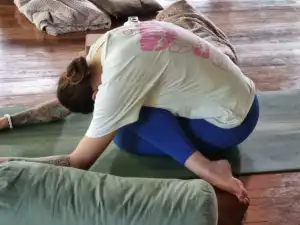
Understanding Hip Anatomy in Functional Yoga

Functional Yoga for the Hips Anatomy, Fascia and Hip Mobility

The hip is a ball-and-socket joint designed for both mobility and stability.

However, hip movement is influenced by many factors, including:

  • pelvic structure
  • femur shape and angle
  • joint depth
  • connective tissue
  • fascia tension
  • muscular patterns
  • previous injuries and posture

Because anatomy varies significantly between individuals, in our Yin Yoga practice, there is no single “correct” range of motion or ideal hip position that works for every body. Functional Yoga recognises these structural differences and encourages practitioners to work with their anatomy rather than forcing deeper external shapes.

Functional Yoga and Skeletal Variation in the Hips

Skeletal variation plays a major role in how people experience hip-opening postures in yoga.

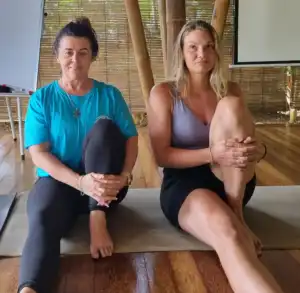
Some hip joints naturally allow greater external rotation, while others reach compression much earlier due to the shape of the bones and joint structure. This means two practitioners may experience very different sensations in the same posture even with similar flexibility.

 Understanding compression versus tension is important because limitations are not always caused by “tight muscles.” In many cases, joint structure itself influences movement range.

This perspective helps reduce unnecessary force and encourages safer, more individualised movement patterns.

Fascia, Connective Tissue and Hip Mobility

Functional Yoga Hip Opening Based on Anatomy and Skeletal Variation

Fascia and connective tissue also influence how the hips move and respond within yoga practice.

Fascia forms an interconnected network throughout the body, linking the hips with the spine, legs, pelvis, and surrounding movement systems. Tension or restriction in one area may influence mobility and sensation elsewhere in the body.

In practice, through slower movement, sustained loading, mindful stretching, and body awareness, Functional Yoga may help improve adaptability, movement efficiency, mobility, and how connective tissue responds to stress over time.

This creates a more integrated understanding of hip mobility beyond isolated muscles alone.

Functional Yoga and Hip-Opening Postures

Functional Yoga approaches hip-opening postures differently from rigid alignment-based systems.

Rather than forcing the body into extreme external rotation or flexibility, the emphasis is placed on:

  • sensation rather than appearance
  • gradual adaptation rather than aggressive stretching
  • joint health and stability
  • individual structure and movement variability

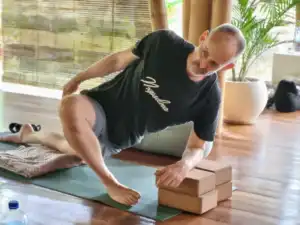
Because of this postures may be modified, supported, or approached differently depending on how each body responds.

This creates a more sustainable relationship with mobility and flexibility over time.

Common Hip Sensations in Yoga

In yoga practice, hip sensations may come from several different sources, including:

  • muscular tension
  • fascial restriction
  • joint compression
  • nervous system guarding
  • connective tissue loading

Functional Yoga for Healthy Hip Movement and Connective Tissue

Understanding the difference between healthy muscular sensation and uncomfortable joint compression is an important aspect of Functional Yoga. In our practice, rather than forcing through pain or restriction, practitioners are encouraged to work gradually and respond to how the body feels internally.

Functional Yoga, Yin Yoga and the Hips

Functional Yoga principles are closely connected to Yin Yoga, especially when working with the hips.

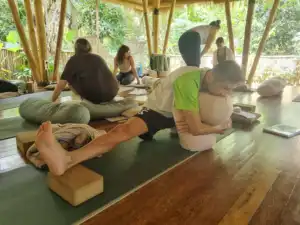
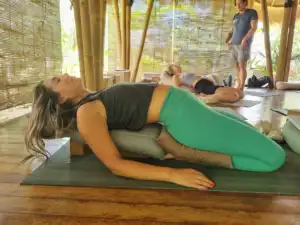
In Yin Yoga, postures are often held for longer periods with reduced muscular effort, allowing fascia and connective tissue to experience gradual sustained stress. At the same time, the practice encourages practitioners to adapt shapes according to individual anatomy rather than external appearance.

Beacuse of this, the relationship between Yin Yoga and Functional Yoga supports greater awareness, mobility, nervous system regulation, and long-term adaptability within the hips and pelvis.

Why Functional Yoga for the Hips Matters

Yin Yoga and Functional Hip Mobility Through Fascia Awareness

Understanding Functional Yoga for the hips helps explain:

  • why bodies move differently
  • why flexibility varies between individuals
  • how skeletal variation influences yoga practice
  • the relationship between fascia and hip mobility
  • why forcing flexibility may create unnecessary strain

Consequently, rather than chasing idealised hip-opening shapes, Functional Yoga encourages a more intelligent and adaptable understanding of movement and mobility.

Explore Yin Yoga Philosophy More Deeply

If you want to explore Functional Yoga, fascia, Yin Yoga, anatomy, and movement principles more deeply, our 200 Hour Yoga Teacher Training and 100/50 Hour Yin Yoga and Chinese Medicine teacher trainings in Bali explore these principles in depth.

These teachings help students develop a more informed and adaptable understanding of yoga beyond external shapes alone.

Frequently Asked Questions

Why do hip-opening postures feel different for everyone?

Hip movement is influenced by anatomy, skeletal variation, fascia, connective tissue, and joint structure, which vary significantly between individuals.

What is hip compression in yoga?

Hip compression occurs when bones or joint structures physically limit movement rather than muscular tension alone.

Can Functional Yoga improve hip mobility?

Functional Yoga may help support mobility, movement awareness, adaptability, and how connective tissue responds to stress over time.

How does fascia affect the hips?

Fascia connects the hips with surrounding movement systems and may influence tension, mobility, and movement patterns throughout the body.

Contact Akirayoga with any Questions:

    © 2026 Akira Yoga – akirayoga.com