Lateral Line and Yin Yoga: Understanding the Side Body Fascia

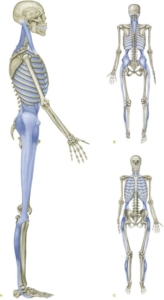
The Lateral Line is one of the key myofascial lines of the body, describing a continuous pathway of fascia that runs along the sides of the body—from the outer foot up through the legs, hips, ribs, and into the shoulders.

In Yin Yoga, many postures gently stress this line through side body opening and lateral movement. As a result, the practice works not only with flexibility but also with how tension is distributed across the fascial network.

Understanding the Lateral Line helps explain why stretching the side body can influence balance, posture, and movement throughout the entire body.
What Is the Lateral Line?

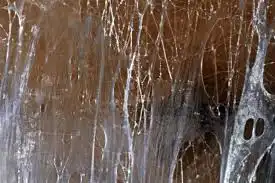
Lateral Line in Yin Yoga: Fascia Pathway Through the Side Body

The Lateral Line describes a continuous fascial pathway connecting:

  • the outer foot and ankle
  • the outer lower leg and IT band
  • the hips and outer pelvis
  • the ribs and side waist
  • the shoulders and neck

Rather than functioning in isolation, these areas operate as one integrated system. Because fascia is continuous, restriction in one part of the line can influence the entire pathway.

How the Lateral Line Relates to Yin Yoga

Yin Yoga postures that open the side body directly influence this fascial line.

For example, side bends and lateral stretches create gentle stress through:

  • the outer hips
  • the side waist and ribs
  • the shoulders and arms

At the same time, the slower pace of Yin Yoga allows the nervous system to remain calm, supporting deeper release within the fascia.

Yin Yoga Postures for the Lateral Line

Postures that can influence this fascial line include:

  • Bananasana (Side Body Stretch)
  • Shoelace
  • Lateral Shoelace
  • Lateral Butterfly

Each of these shapes applies gradual stress through the side body, creating length from the outer foot through the hip and up into the ribs and shoulders. Rather than isolating a single area, these postures work across the entire fascial pathway.

In practice, sensation may be felt in different areas depending on where tension is held. For some, this may be in the outer hips, while for others it may extend into the ribs or shoulders.

At the same time, the slower pace of Yin Yoga supports nervous system regulation, allowing the body to remain receptive rather than reactive.

Over time, this approach helps reduce restriction, improve mobility, and support more balanced movement across the body.

Why the Lateral Line Matters

The Lateral Line plays an important role in:

  • balance and stability
  • side-to-side movement
  • posture and alignment

When this line becomes restricted, it can contribute to: tight outer hips and IT band, stiffness in the ribs and side body and imbalance between left and right sides.

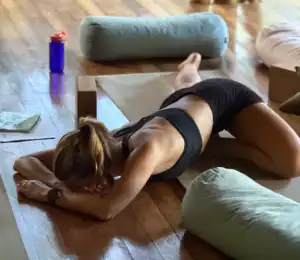
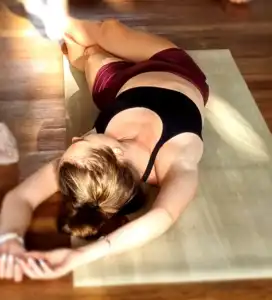
Yin Yoga Sleeping Swan Variation Targeting Lateral Line Fascia for Balance and Mobility

By working with this line in Yin Yoga, the body can develop greater symmetry and ease in movement.

Fascia, Tension and Whole-Body Connection

The Lateral Line highlights how the body maintains balance between left and right.

Because fascia links distant areas, working with the outer hips can influence the ribs and shoulders, and vice versa.

In practice, this is why side body stretches often create sensation across multiple regions at once.

At the same time, this interconnectedness reinforces the importance of working gradually. Yin Yoga allows the body to adapt over time rather than forcing change.

As a result, the practice supports more balanced movement, reduced compensation patterns, and improved overall coordination.

Linking Fascia and Yin Yoga Practice

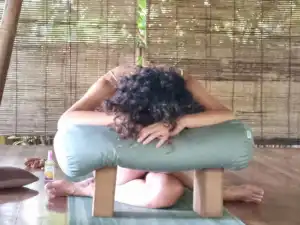
lateral line yin yoga shoelace pose for a side body fascia stretch balance

Explore Yin Yoga and Fascia More Deeply

If you’re interested in understanding more about Yin Yoga and the Fascia system, our 200 Hour Yoga Teacher Training and 100/50 Hour Yin Yoga and Chinese Medicine teacher trainings in Bali explore these principles in depth.

Whether you are deepening your personal practice or moving toward teaching, these trainings provide a supportive environment to explore Yin Yoga more fully.

Frequently Asked Questions

What is the Lateral Line?
It is a fascial pathway running along the sides of the body, connecting the outer foot to the head.

Does Yin Yoga affect the side body?
Yes, many Yin Yoga postures target the side body through sustained lateral stretching.

Why do side stretches feel different on each side?
Because fascia stores tension unevenly, one side of the body may be more restricted than the other.

Contact Akirayoga with any Questions:

    © 2026 Akira Yoga – akirayoga.com